Modern industrial systems are becoming more complex, and manufacturing requirements are becoming increasingly demanding. Products and components must often meet exact specifications while maintaining consistent performance across production runs.
This is where precision manufacturing becomes essential.
What Is Precision Manufacturing?
Precision manufacturing focuses on producing components according to highly specific dimensional, material, and performance requirements.
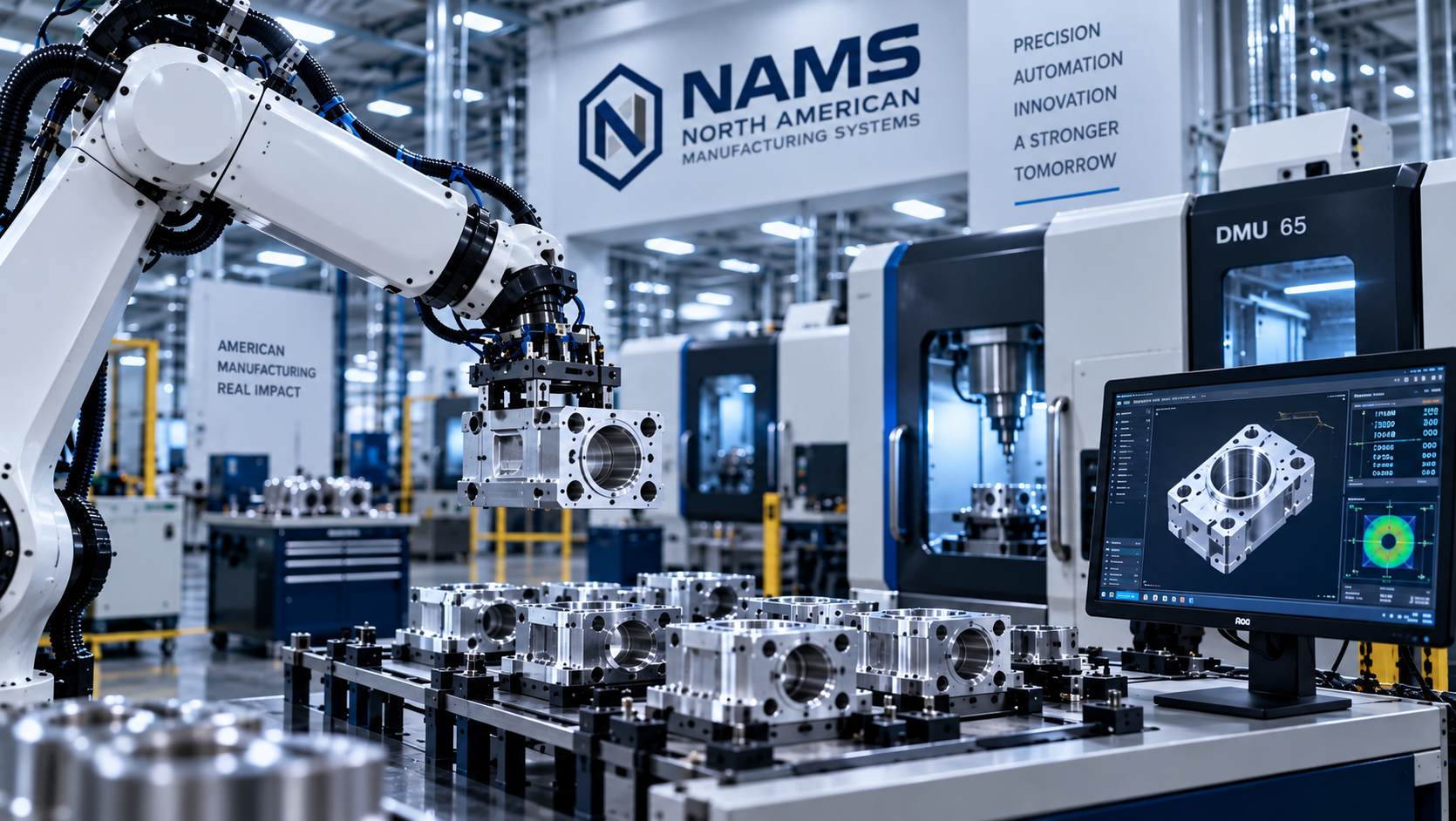
It combines advanced equipment, engineering knowledge, carefully controlled processes, and quality assurance to achieve consistent results.
Precision Starts With Engineering
Successful manufacturing begins with understanding the design requirements. Engineers must consider materials, tolerances, production methods, component geometry, and intended application.
A strong connection between engineering and manufacturing helps ensure that designs can be translated into reliable physical components.
Consistency Is Critical
Manufacturing a single accurate component is different from producing hundreds or thousands of components consistently.
Modern precision manufacturing processes are designed to reduce variability and maintain repeatable results. This consistency is especially important for industries where components must work together within larger systems.
Quality Control and Inspection
Inspection plays a critical role in precision manufacturing. Measurements and quality checks help verify that components meet established specifications.
A disciplined quality process provides greater confidence in the final product while helping identify potential issues before they affect larger production systems.
Supporting Critical Industries
Aerospace, defense, marine, energy, industrial, and advanced-technology applications all rely on manufacturing capabilities that can meet demanding requirements.
As these industries continue to advance, the importance of precision manufacturing will only increase.
Precision Built for Tomorrow
NAMS is developing manufacturing capabilities around the principles of precision, reliability, and advanced engineering.
Our goal is to help support the next generation of American manufacturing by developing capabilities designed for industries where performance and accuracy matter.